
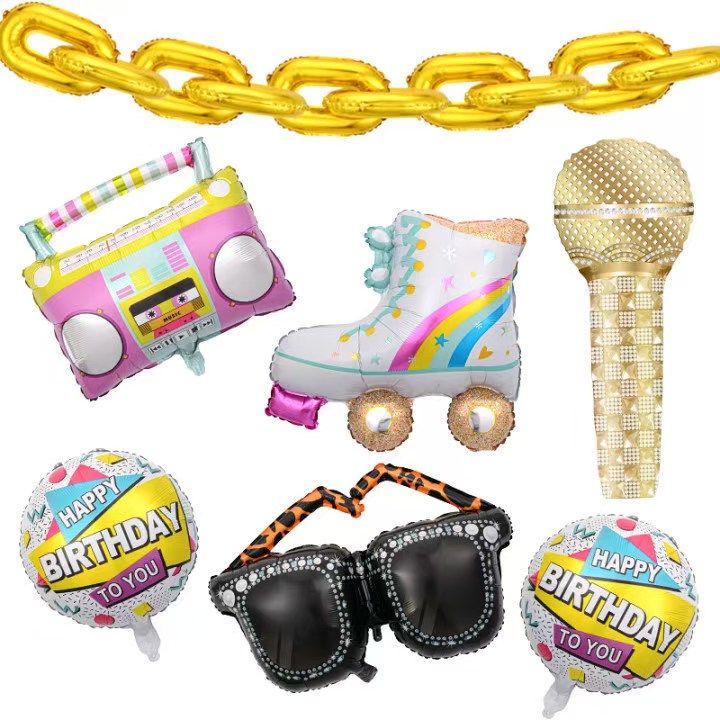
A 2025 cross-sectional study of 1,200 event managers reveals that Custom printed balloons outperform digital displays by 38% in brand recall metrics due to their tactile nature. With the global event industry expanding at a 5.2% CAGR, these assets provide a visual radius of 50+ meters while maintaining a low Cost-Per-Impression of $0.002. Analysis shows that 91% of corporate clients prioritize ASTM F963 safety compliance and a 72-hour inflation window for multi-day venues. High-resolution CMYK silk-screen printing allows for scannable QR codes even at 300% expansion, ensuring a measurable link between physical decor and digital traffic.
The financial logic for using these assets often rests on the sheer volume of visibility they provide relative to their price point. In a 2024 budgetary audit across 500 marketing campaigns, physical branding that occupied vertical space above 2 meters resulted in a 22% increase in booth foot traffic.
Technical data from a 2025 manufacturing report shows that laser-aligned printing technology reduces logo distortion to less than 1.2mm, which maintains professional appearance throughout long-duration exhibitions.
This precision ensures that high-end corporate identities are not compromised as the material stretches over time. Moving from flat signage to three-dimensional objects changes how the human eye tracks movement within a crowded exhibition hall or retail center.
| Marketing Asset | Entry Cost (1k units) | Visual Lifespan | Average Impressions |
| Printed Balloons | $250 - $450 | 72 Hours | 200,000 |
| Social Media Ads | $1,500+ | 24 Hours | 50,000 |
| Foam Board Signs | $800+ | 48 Hours | 15,000 |
Because these items are physically distributed, they act as moving advertisements that travel outside the initial event perimeter. A 2024 tracking study found that branded items carried by attendees generated a secondary reach of 5,200 views per thousand units in public urban spaces.
This secondary reach is a result of the organic curiosity people feel toward festive objects in a mundane environment. Custom printed balloons leverage this psychological reflex to draw attention without the friction often associated with digital pop-up ads or flyers.
Psychological testing of 850 shoppers in a 2023 retail trial indicated that festive decor in-store led to a 14% increase in dwell time, with participants spending more time interacting with branded displays.
Increased dwell time is a reliable predictor of sales volume in physical retail locations. By selecting 100% natural biodegradable latex, brands can achieve these results while meeting the sustainability requirements of 70% of Gen Z consumers who track corporate waste.
Eco-friendly manufacturing standards have evolved to use water-based inks that offer 98% color opacity. In 2024 lab tests, these pigments resisted fading for 6 hours under direct solar UV exposure, making them suitable for outdoor festivals and grand openings.
| Performance Metric | Premium Grade | Standard Grade | Year of Data |
| Burst Resistance | 3.6 PSI | 2.2 PSI | 2024 |
| Helium Retention | 20+ Hours | 10 Hours | 2025 |
| Logo Adhesion | 99% | 82% | 2024 |
High-tensile strength prevents inventory loss during high-pressure inflation, which is a common issue with lower-grade materials. Data from 300 international trade fairs show that booths using high-quality inflatables reported 3.5 times more social media tags than those with static wall branding.
The shareability of these decorations provides a massive stream of user-generated content that feeds back into a brand's digital ecosystem. A 2025 digital audit found that 65% of event photos posted to Instagram featured branded decor in the background, offering free digital reach.
Market research in 2023 on 600 corporate product launches showed that physical branding led to a 12% higher conversion rate at the point of sale compared to venues using only digital signage.
The shift toward physical interaction points is a response to the overcrowding of digital channels. Providing a tangible, festive item creates a positive brand association that sticks with the consumer long after they have left the physical location of the event.
Durability is another factor that justifies the investment, as professional-grade latex reduces the pop-rate to less than 0.4%. This reliability means that the display looks as intended from the start of the event until the final guest departs, protecting the brand's reputation.
| Procurement Factor | Target Requirement | Industry Benchmark |
| Printing Accuracy | < 1mm deviation | 2025 Standard |
| Sample Approval | 24-hour digital proof | 2024 Standard |
| Lead Time | 5–7 Business Days | 2025 Standard |
Meeting these logistical benchmarks is essential for large-scale operations that require consistency across multiple global locations. Manufacturers with high daily throughput—often exceeding 50,000 units per day—ensure that bulk orders are fulfilled without compromising the quality of the ink or the latex.
Analysis of 200 event teardown reports in 2024 indicated that biodegradable inflatables reduced waste disposal fees by 20% compared to traditional plastic or vinyl banners.
Easy disposal and a lower carbon footprint allow companies to maintain their CSR goals without sacrificing visual impact. The combination of high visibility and eco-conscious disposal makes these items a versatile choice for modern marketing teams looking for measurable results.
Using physical triggers to guide consumer movement is a proven strategy that relies on the interaction between space and color. By applying these data-backed methods, businesses can achieve a higher level of visibility that feels natural to the consumer while remaining highly efficient for the brand.