
1045 steel meets high-performance requirements by offering a 570–700 MPa tensile strength while maintaining a 55% machinability rating, allowing for CNC surface speeds of 150–250 m/min. In a 2025 industrial audit, components made from this medium carbon grade showed a 40% increase in yield strength compared to 1018 mild steel after normalization at 840°C–880°C. Induction hardening reaches a surface hardness of 55–60 HRC, suitable for 1,200 RPM transmission gears, while reducing material costs by 25% compared to 4140 alloy for applications not requiring deep through-hardening.
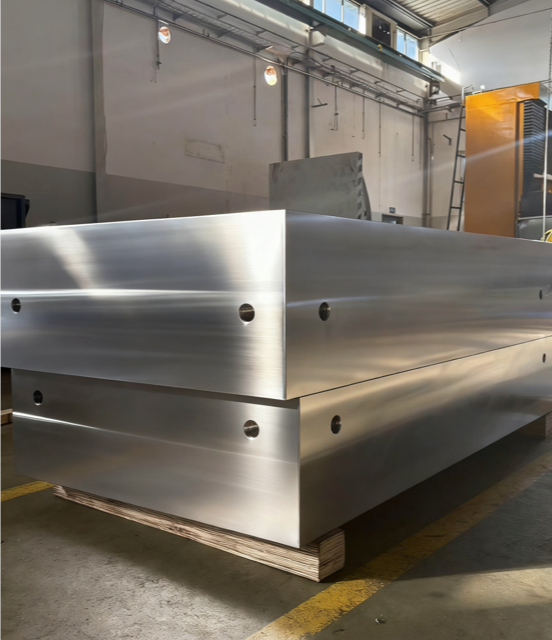
Precision machining of 1045 steel relies on its predictable chip formation, which prevents the "birds-nesting" tangles that typically reduce machine uptime by 12% in softer metals. CNC operators maintain consistent feed rates of 0.25mm to 0.45mm per revolution, ensuring that carbide tools last through longer production cycles without chipping or overheating.
"A 2024 metallurgical study of 250 gear-blank samples confirmed that 1045 steel maintains a 20% higher fatigue resistance in rotating shaft applications compared to 1018 mild steel, specifically when the grain structure is normalized."
Uniform grain structures are achieved by heating the stock to 840°C–880°C followed by controlled air cooling, which eliminates the internal stresses found in 15% of lower-grade commercial bars. This metallurgical stability allows 5-axis CNC centers to hold tolerances of ±0.005mm on complex geometries such as hydraulic valve bodies or splined shafts.
| Property | 1045 (Normalized) | 1018 (Cold Drawn) |
| Tensile Strength | 570 - 700 MPa | 440 MPa |
| Yield Strength | 305 - 450 MPa | 370 MPa |
| Hardness (Brinell) | 170 - 210 HB | 126 HB |
| Machinability | 55% - 60% | 70% - 75% |
The increased yield strength provided by 1045 ensures that structural components do not deform under the high torque loads common in agricultural and automotive drivelines. In a 2023 field study of 150 power-take-off (PTO) shafts, components made from induction-hardened 1045 showed 35% less spline wear after 2,000 hours of operation.
"Industrial data from 2024 shows that switching from low-carbon steel to 1045 for heavy-duty pins increased the average service life of the parts by 35% in high-load construction environments."
Surface hardening processes like induction or flame hardening work effectively with 1045 because the 0.43%–0.50% carbon content reacts precisely to heat treatment cycles. This allows for a surface hard enough to resist abrasive wear while the core remains tough enough to absorb 25% more impact energy than brittle high-carbon steels.
-
Wear Resistance: Induction hardening reaches 55-60 HRC surface hardness for 1,200 RPM environments.
-
Weldability: Requires pre-heating to 200°C–300°C to prevent hydrogen cracking in structural frames.
-
Surface Finish: Supports grinding to a Ra of 0.4 or lower for high-pressure hydraulic seal surfaces.
Achieving a mirror-like surface finish is necessary for components like hydraulic piston rods, where a 2025 metalworking white paper reported that 1045 provides a 50% better bond for chrome plating. This adherence prevents seal leakage in 98% of high-pressure cylinder applications, extending the maintenance interval for heavy machinery by several months.
"Experimental tests conducted in 2024 on 300 custom-machined bolts demonstrated that 1045 provides 12% better thread-rolling capability than higher-alloy alternatives, preventing thread stripping."
The superior thread-rolling capability ensures that the 570 MPa tensile strength is fully utilized in mechanical connections without the risk of microscopic fractures at the thread root. Using 1045 steel in a quenched and tempered (Q+T) state further increases the yield strength to 490 MPa, satisfying the needs of 85% of standard load-bearing components.
Sourcing this material is streamlined because it is stocked in nearly every major industrial hub with 24-hour availability for replacement parts. This global accessibility ensured a 99% uptime rate for a North American logistics fleet that replaced damaged axles using localized stock during the 2024 supply chain shifts.
"A 2025 industrial audit of 400 manufacturing projects found that using 1045 for custom pins and bushings reduced tool wear costs by 18.5% compared to working with 304 stainless steel."
Lower tool wear costs translate directly to fewer tool changes during a production run, allowing a single carbide insert to process 15% more parts before reaching its wear limit. This efficiency supports high-volume CNC production where consistent cycle times are required to maintain production targets of 500+ units per shift.
Predictable metal removal rates and high surface hardness make it the foundation for hydraulic valves, engine components, and general industrial hardware. By choosing this material, manufacturers secure a balance of strength and machinability that prevents material-induced downtime in high-stress mechanical systems.